
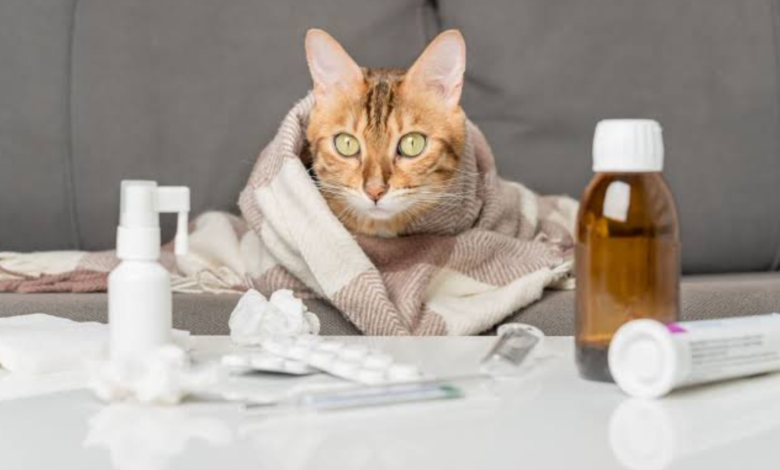
Understanding Cat Sneezing and Why It Happens
cat sneezing a lot are naturally curious animals that explore their surroundings using their noses. Sneezing is a normal reflex that helps remove dust, small particles, and other irritants from the nasal passages. Just like humans, cats may sneeze occasionally because of harmless environmental factors. However, when you notice your cat sneezing a lot, it may be a sign that something more serious is affecting your pet’s health. Frequent sneezing should not always be ignored, especially if it continues for several days or appears alongside other symptoms.
A cat sneezing a lot respiratory system is sensitive, and even minor changes in the environment can trigger irritation. Household dust, air fresheners, perfumes, cleaning chemicals, smoke, and strong smells can all affect a cat’s nose. In some cases, a simple sneeze may happen after your cat sniffs something unusual. However, repeated episodes of sneezing may indicate allergies, infections, inflammation, or other health concerns that require proper attention cat sneezing a lot.
cat sneezing a lot Understanding the difference between normal sneezing and excessive sneezing is important for every cat owner. Occasional sneezing without other symptoms is usually not a reason for concern. On the other hand, a cat sneezing a lot with nasal discharge, watery eyes, breathing problems, or changes in behaviour may need veterinary care. Paying attention to your cat’s daily habits and noticing changes early can help protect their overall wellbeing.
Common Causes of Cat Sneezing a Lot
One of the most common reasons behind a cat sneezing a lot problem is an upper respiratory infection. These infections are similar to colds in humans and can be caused by viruses or bacteria. Cats with respiratory infections often experience frequent sneezing along with symptoms such as a runny nose, watery eyes, coughing, tiredness, and reduced interest in food. Young kittens, older cats, and cats with weaker immune systems may be more vulnerable to these conditions.
Viral infections are a major cause of respiratory problems in cats, and they can spread between animals through close contact. A cat that lives with other cats or spends time outdoors may have a higher chance of exposure. While many infections improve with proper care, some cases may require medication and veterinary treatment to prevent complications. If your cat sneezing a lot is accompanied by unusual discharge or reduced activity, a professional examination is recommended.
Allergies are another common reason why a cat may sneeze frequently. Cats can react to many substances, including pollen, dust mites, mould, cigarette smoke, and household sprays. Unlike humans, cats may not always show obvious allergy symptoms, but repeated sneezing can be one of the signs. Identifying and removing possible irritants from your home environment can help reduce discomfort cat sneezing a lot.
Dental issues can also contribute to frequent sneezing in cats. The roots of some upper teeth are located close to the nasal passages, meaning dental infections can sometimes affect the surrounding areas. A cat suffering from dental disease may show signs such as bad breath, difficulty eating, drooling, and increased sneezing. Regular dental care and veterinary check-ups can help detect these problems early cat sneezing a lot.
Symptoms That May Appear Alongside Frequent Sneezing
When dealing with a cat sneezing a lot, it is important to look beyond the sneezing itself. Other symptoms can provide valuable information about the possible cause. For example, a clear nasal discharge may suggest mild irritation, while thick or coloured discharge may indicate an infection. Monitoring these changes helps owners understand when professional help may be necessary.
Eye-related symptoms are also common in cats with respiratory problems. Watery eyes, redness, or discharge around the eyes may appear together with frequent sneezing. Some cats may also become less active, hide more often, or lose interest in their usual activities. Behaviour changes are important signals because cats often hide signs of illness until the problem becomes more noticeable.
Breathing difficulties should always be taken seriously. If a cat struggles to breathe, breathes unusually fast, or appears uncomfortable while resting, veterinary attention should be considered. A cat sneezing a lot may have a simple irritation, but when breathing changes occur, it can indicate a more significant respiratory issue.
Changes in eating habits can also provide clues about your cat’s health. Cats rely heavily on their sense of smell when eating, so nasal congestion caused by sneezing problems may reduce their appetite. If your cat stops eating normally or seems uninterested in food, it is important to monitor the situation carefully and seek advice if the issue continues.
When Should You Take a Sneezing Cat to the Vet?
Many cat owners wonder when sneezing becomes serious enough to require veterinary attention. A few occasional sneezes are usually harmless, but a cat sneezing a lot for several days should be evaluated. Persistent sneezing may indicate an underlying issue that will not resolve without proper treatment.
You should consider contacting a veterinarian if your cat has additional symptoms such as nasal discharge, eye discharge, fever, coughing, breathing difficulty, or noticeable tiredness. Cats are experts at hiding discomfort, so even small changes in behaviour can be meaningful. Early veterinary care can often make treatment easier and prevent minor problems from becoming more complicated.
During a veterinary visit, the doctor may perform a physical examination and check your cat’s nose, mouth, eyes, and breathing patterns. Depending on the symptoms, additional tests may be recommended to identify infections, allergies, dental problems, or other conditions. A correct diagnosis is important because different causes require different treatments.
Avoid delaying care if your cat’s condition appears to be getting worse. While searching for home solutions may seem convenient, some health problems require professional medication and monitoring. A veterinarian can provide safe guidance based on your cat’s specific needs.
Treatment Options for a Cat Sneezing a Lot
Treatment for a cat sneezing a lot condition depends entirely on the underlying cause. If the sneezing is caused by a bacterial infection, a veterinarian may recommend appropriate medication. Viral infections may require supportive care to help the cat recover while the immune system fights the illness.
For cats with allergies, treatment often focuses on reducing exposure to triggers. This may include changing cleaning products, improving indoor air quality, reducing dust, and making environmental adjustments. In some cases, veterinarians may suggest specific allergy management options to improve comfort.
Cats with dental-related sneezing problems may need dental treatment to address the source of irritation. Treating the underlying dental issue can often reduce sneezing and improve overall health. Regular dental check-ups are an important part of responsible cat ownership.
Owners should never give human cold medicines or other medications to cats without veterinary approval. Many human medicines can be harmful to animals. Safe treatment always depends on proper diagnosis and professional advice.
Home Care Tips to Help a Sneezing Cat
Providing a comfortable environment can help a cat sneezing a lot recover more easily. Keeping your home clean and reducing dust exposure is one of the simplest ways to support your cat’s respiratory health. Regular vacuuming, washing bedding, and avoiding strong fragrances can reduce possible irritants.
Maintaining good humidity levels can also help cats with nasal discomfort. Dry air may increase irritation, while comfortable humidity can support easier breathing. Ensuring your cat has access to fresh water and a quiet resting area can also support recovery.
Monitoring your cat daily is another important step. Keep track of how often sneezing occurs, whether symptoms are improving, and whether your cat’s eating or behaviour changes. This information can be helpful if a veterinary visit becomes necessary.
How to Prevent Excessive Sneezing in Cats
Preventing respiratory problems requires consistent care and attention. Regular veterinary check-ups allow early detection of potential health issues. Keeping vaccinations up to date can also help protect cats from certain infections that may cause sneezing.
A clean living environment plays a major role in prevention. Limiting exposure to smoke, strong chemicals, and excessive dust can reduce nasal irritation. Providing nutritious food and maintaining general health can strengthen your cat’s ability to handle minor illnesses.
The best way to prevent a cat sneezing a lot issue is to notice changes early. Cats communicate illness through subtle signs, so responsible owners should pay attention to unusual behaviours, appetite changes, and physical symptoms.
Common Mistakes Cat Owners Should Avoid
One common mistake is ignoring frequent sneezing because it seems like a small problem. While occasional sneezing may not be serious, a cat sneezing a lot could indicate a condition that needs attention. Waiting too long may allow an issue to become harder to manage.
Another mistake is using unapproved home remedies or human medications. Cats have different body systems from humans, and some substances that are safe for people can be dangerous for pets. Always consult a veterinarian before giving any treatment.
Owners should also avoid exposing cats to unnecessary irritants. Strong perfumes, harsh cleaners, and smoke can worsen respiratory discomfort. Creating a safer home environment is one of the easiest ways to support feline health.
Conclusion
A cat sneezing a lot can happen for many different reasons, from simple environmental irritation to infections, allergies, or dental problems. Understanding the possible causes helps cat owners make better decisions about their pet’s care. Occasional sneezing is usually normal, but repeated sneezing combined with other symptoms should receive attention.
By maintaining a clean environment, monitoring your cat’s health, and seeking veterinary advice when needed, you can help your pet stay comfortable and healthy. Early action is often the key to managing respiratory problems and ensuring your cat enjoys a better quality of life.
FAQs About Cat Sneezing a Lot
Why is my cat sneezing a lot suddenly?
Your cat may suddenly sneeze a lot due to allergies, dust, infections, irritants, or a foreign object in the nose.
How many times a day is normal for a cat to sneeze?
Occasional sneezing a few times a day can be normal, but frequent or repeated sneezing may need attention.
Can allergies make my cat sneeze frequently?
Yes, allergies caused by dust, pollen, perfumes, or chemicals can make cats sneeze frequently.
Should I take my cat to the vet for constant sneezing?
Yes, constant sneezing should be checked by a vet, especially if it comes with discharge, coughing, or appetite changes.
Can dust cause my cat to sneeze a lot?
Yes, dust and other airborne particles can irritate a cat’s nose and cause frequent sneezing.
Why is my cat sneezing with watery eyes?
Sneezing with watery eyes may be caused by respiratory infections, allergies, or eye and nasal irritation.
Can a cat cold cause frequent sneezing?
Yes, cat colds or upper respiratory infections commonly cause frequent sneezing and nasal symptoms.
How can I help my cat stop sneezing at home?
Reduce dust, avoid strong smells, keep the area clean, and provide a comfortable environment for your cat.
Are respiratory infections dangerous for cats?
Some respiratory infections can become serious, especially in kittens, older cats, or cats with weak immunity.
Can dental problems cause sneezing in cats?
Yes, dental infections can sometimes affect nasal areas and lead to sneezing in cats.
You May Also Read: free chair yoga for seniors
