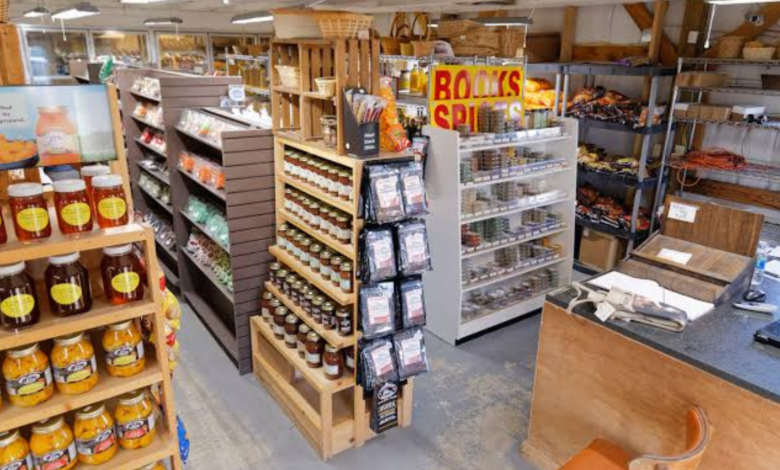
Finding an Amish store near me can lead to discovering a treasure trove of unique products and cultural experiences. These stores offer a wide range of goods, from bulk Amish foods to handmade crafts, and are often family-owned establishments. Located primarily in Ohio’s Amish Country, these stores provide not only products but also a glimpse into the Amish lifestyle.

Top Amish Stores in Ohio’s Amish Country
Ohio’s Amish Country is renowned for its abundance of Amish stores, providing a diverse range of goods and a peek into traditional Amish culture. Some of the best-known Amish markets in Columbus, OH, include Yutzy’s Farm Market, Amish Heritage Country Market, and The Witten Farm Market. These stores are popular for their Amish crafts and goods, offering everything from fresh produce to handcrafted furniture.
Exploring Amish Markets Near Columbus, Ohio
Columbus is surrounded by numerous Amish markets that attract both locals and tourists alike. The areas of Gambier and Millwood, for instance, host around ten Amish stores within a 15-mile radius, including Troyer’s Marketplace, Sugar & Spice Market, and Walnut Creek Market. These markets are perfect for those looking to shop for Amish items such as organic produce and delicious deli offerings.
Amish Store Offerings: From Furniture to Food
The products available at an Amish store near me often reflect the Amish community’s commitment to quality and craftsmanship. Visitors can find a variety of items, including Amish furniture, which is well-known for its durability and traditional design. Additionally, these stores feature bulk Amish foods such as cheese, jams, jellies, butters, and spreads, offering a taste of authentic Amish recipes.
Shopping Tips for Visiting an Amish Store
When visiting an Amish store near me, it’s essential to check the store hours, as they can vary widely. Many stores in Ohio’s Amish Country operate on a set schedule, with some closing early on certain days. It’s also advisable to bring cash, as some family-owned Amish stores may not accept credit or debit cards. This allows for a more seamless shopping experience.
Cultural Experiences at Amish Stores
Shopping at an Amish store near me is more than just a retail experience—it’s a cultural journey. Many stores offer insights into the Amish lifestyle through community events and demonstrations. These experiences can include everything from traditional Amish cooking classes to cultural festivals that showcase regional Amish specialties.
Finding the Best Amish Store Near Me Today
For those searching for the best Amish store near me, Yelp and Reddit are valuable resources for updated reviews and recommendations. Whether you’re looking for an Amish store near Bexley, OH, or exploring options near Chillicothe, OH, these platforms can provide insights from fellow shoppers and locals alike.
Frequently Asked Questions
What are some popular Amish markets near Columbus, Ohio?
Popular Amish markets near Columbus, Ohio, include Yutzy’s Farm Market, Amish Heritage Country Market, and The Witten Farm Market. These markets offer a variety of Amish goods and fresh produce.
What types of products can I find at an Amish store?
Amish stores typically offer a range of products, including handmade Amish crafts, bulk foods such as cheeses and jams, and durable furniture. They often emphasize quality and traditional craftsmanship.
Are Amish stores open every day?
Amish store hours can vary, and many may close early on certain days or be closed on Sundays. It’s best to check the specific store’s schedule before visiting.
Can I find Amish furniture in these stores?
Yes, many Amish stores offer a selection of handcrafted furniture known for its quality and traditional design, providing a wide range of home furnishings.
Do Amish stores accept credit cards?
While some Amish stores accept credit cards, many are family-owned and may prefer cash transactions. It’s advisable to bring cash when visiting.
What cultural experiences can I expect at an Amish store?
Visitors to Amish stores can often participate in cultural events such as cooking classes or festivals, which offer insights into the Amish lifestyle and traditions.
Exploring an Amish store near me offers a unique opportunity to enjoy high-quality, handcrafted goods while experiencing the rich cultural heritage of the Amish community. Whether you’re interested in fresh produce, traditional recipes, or beautifully crafted furniture, these hidden gems provide a memorable shopping experience.
You May Also Read: toyota parts near me