Why Is My Dog Coughing? Common Causes, Symptoms, Treatments & When to See a Vet

If you are wondering why is my dog coughing, you are not alone. Coughing is one of the most common health concerns reported by dog owners, and it can happen for many different reasons. While an occasional cough may simply be your dog clearing something from their throat, frequent or unusual coughing can sometimes indicate an underlying health problem that needs attention. Understanding the possible causes can help you decide when home care is enough and when professional veterinary advice is necessary why is my dog coughing.
why is my dog coughing use coughing as a natural defence mechanism to remove irritants from their airways. Similar to humans, dogs may cough because of dust, allergies, infections, or environmental factors. However, unlike humans, dogs cannot explain what they are feeling, so paying attention to the type, frequency, and duration of the cough is extremely important. A sudden cough after playing, eating, or drinking may have a different cause compared with a cough that continues for weeks why is my dog coughing.
why is my dog coughing A dog’s cough can range from a mild throat irritation to a symptom of a serious condition affecting the heart, lungs, or respiratory system. Some coughs sound dry and harsh, while others may sound wet or resemble a “honking” noise. Each type can provide clues about what may be happening inside your pet’s body why is my dog coughing.
why is my dog coughing This guide explains why is my dog coughing, the most common causes, warning signs to watch for, available treatments, and ways to support your dog’s health. By learning more about canine coughing, you can take quicker action and provide better care for your furry companion.
Why Is My Dog Coughing? Understanding the Main Reasons
A dog cough is usually caused by irritation or inflammation somewhere in the respiratory system. The airway includes the nose, throat, windpipe, and lungs, and problems in any of these areas can trigger coughing. Some dogs may cough for a short time because of a minor irritation, while others may develop persistent coughing due to a medical condition why is my dog coughing.
One common reason dogs cough is because something has irritated their throat or airway. Dust, pollen, smoke, strong perfumes, and household chemicals can all affect sensitive dogs. Some breeds with smaller airways may also be more likely to experience coughing problems. Environmental changes, seasonal allergies, and exposure to other animals can also increase the chances of respiratory irritation why is my dog coughing.
The sound and timing of your dog’s cough can provide useful information. A dry, hacking cough may suggest airway irritation, while a wet cough could indicate mucus or fluid in the lungs. A cough that sounds like a goose honk may be linked to problems with the windpipe. If your dog coughs mainly at night, after exercise, or while lying down, it may point towards a specific health issue why is my dog coughing.
Although coughing is not always an emergency, it should not be ignored when it becomes frequent or severe. Monitoring your dog’s behaviour, energy levels, appetite, and breathing patterns can help you understand whether the cough is minor or requires veterinary attention.
Common Causes of Dog Coughing
Kennel Cough
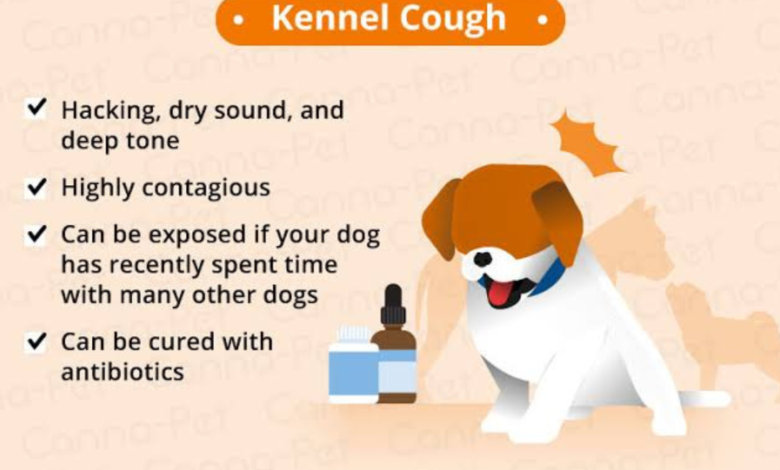
Kennel cough is one of the most recognised causes of coughing in dogs. It is a contagious respiratory infection that commonly spreads in places where many dogs gather, such as kennels, dog parks, shelters, and grooming facilities. The condition is similar to a human cold and is usually caused by a combination of bacteria and viruses.
The most noticeable symptom of kennel cough is a dry, forceful cough that often sounds like your dog is trying to clear something from their throat. Many dogs with kennel cough remain active and continue eating normally, which can make owners underestimate the condition. However, the coughing can become irritating and may last for several weeks.
Most mild cases improve with rest and proper care, but puppies, older dogs, and dogs with weakened immune systems may experience more serious complications. Vaccinations can reduce the risk of kennel cough, although they may not prevent every possible cause.
Heart Disease and Heart-Related Coughing
Another important reason behind the question “why is my dog coughing” is heart disease. As some dogs develop heart problems, especially as they age, the heart may struggle to pump blood effectively. This can sometimes cause fluid buildup near the lungs, leading to coughing.
Heart-related coughing is often more noticeable when a dog is resting, sleeping, or lying down. Some dogs may also show other symptoms, including tiredness, reduced exercise ability, difficulty breathing, or a swollen abdomen. Because heart problems can progress slowly, early detection is important.
Regular veterinary check-ups can help identify heart issues before they become severe. If your dog has a persistent cough combined with reduced energy or breathing difficulties, a veterinarian may recommend tests such as chest X-rays, blood tests, or heart examinations.
Respiratory Infections and Lung Problems
Respiratory infections are another common cause of coughing in dogs. Viruses, bacteria, and other organisms can infect the respiratory tract and cause inflammation. Conditions such as pneumonia, canine influenza, and bronchitis may result in coughing, nasal discharge, fever, and tiredness.
Dogs with lung infections often show more noticeable signs than dogs with simple throat irritation. They may lose interest in food, become less active, or have difficulty breathing. Pneumonia, in particular, requires medical attention because it can become serious if untreated.
Treatment depends on the cause of the infection. Veterinarians may recommend medications, supportive care, rest, and monitoring. Providing a comfortable environment and following veterinary instructions can help your dog recover more quickly.
Symptoms That May Occur Alongside Coughing
When trying to understand why is my dog coughing, it is important to look beyond the cough itself. Additional symptoms can provide clues about the seriousness of the problem. A dog with a mild irritation may only cough occasionally, while a dog with a deeper health issue may show several warning signs.
Symptoms that should receive attention include difficulty breathing, wheezing, unusual tiredness, loss of appetite, fever, nasal discharge, and changes in behaviour. If your dog coughs and then struggles to breathe or appears distressed, immediate veterinary care may be necessary.
Some dogs may also cough so strongly that they gag or vomit afterwards. While this does not always mean something serious, repeated episodes should be checked by a professional. Keeping a record of when your dog coughs, what the cough sounds like, and what activities trigger it can help your vet make a more accurate diagnosis.
Treatment Options for a Coughing Dog
Treatment for a coughing dog depends entirely on the underlying cause. There is no single solution because coughing is a symptom rather than a disease itself. A veterinarian will first identify the reason behind the cough before recommending the appropriate treatment.
For infections, medication may be prescribed to fight bacteria or reduce inflammation. Dogs with allergies may benefit from avoiding triggers or using recommended treatments. Dogs with heart conditions may require specific medications to improve heart function and reduce fluid buildup.
At home, owners can support recovery by ensuring their dog gets enough rest, stays hydrated, and avoids irritants such as smoke or strong chemicals. Using a harness instead of a collar may also reduce pressure on the throat, especially for dogs that cough during walks.
How to Prevent Coughing Problems in Dogs
Prevention plays an important role in maintaining your dog’s respiratory health. Regular veterinary visits, vaccinations, parasite prevention, and a healthy lifestyle can reduce the risk of many conditions linked to coughing.
Keeping your home free from smoke, excessive dust, and strong chemical smells can also protect your dog’s airways. A balanced diet and regular exercise help support the immune system and overall wellbeing.
Avoiding close contact with sick dogs and maintaining good hygiene can reduce the spread of contagious illnesses like kennel cough. Early attention to unusual symptoms can also prevent minor issues from becoming serious health problems.
Conclusion
Understanding why is my dog coughing helps you recognise when your pet needs extra care. While occasional coughing may be harmless, frequent, severe, or unusual coughing can indicate infections, allergies, heart problems, or respiratory conditions.
Pay attention to the type of cough, how long it lasts, and whether other symptoms appear. Early veterinary advice can make a significant difference, especially when the cough is linked to a serious condition.
By providing a healthy environment, scheduling regular check-ups, and responding quickly to changes in your dog’s behaviour, you can help your pet enjoy a happier and healthier life.
FAQs
Why is my dog coughing but acting normal?
A dog may cough from mild irritation, allergies, or kennel cough while still behaving normally.
Why does my dog have a dry, honking cough?
A dry honking cough is often associated with airway problems such as kennel cough or tracheal issues.
Should I worry if my dog coughs occasionally?
Occasional coughing is not always serious, but frequent coughing should be monitored.
Can allergies cause coughing in dogs?
Yes, allergies can irritate a dog’s airways and cause coughing.
When should I take my coughing dog to the vet?
Visit a vet if coughing lasts several days, becomes severe, or is accompanied by breathing problems.
Can heart problems make dogs cough?
Yes, heart disease can sometimes cause coughing due to fluid affecting the lungs.
What can I do at home for a coughing dog?
Provide rest, fresh water, clean air, and avoid irritants while monitoring symptoms.
You May Also Read: does it snow in texas
