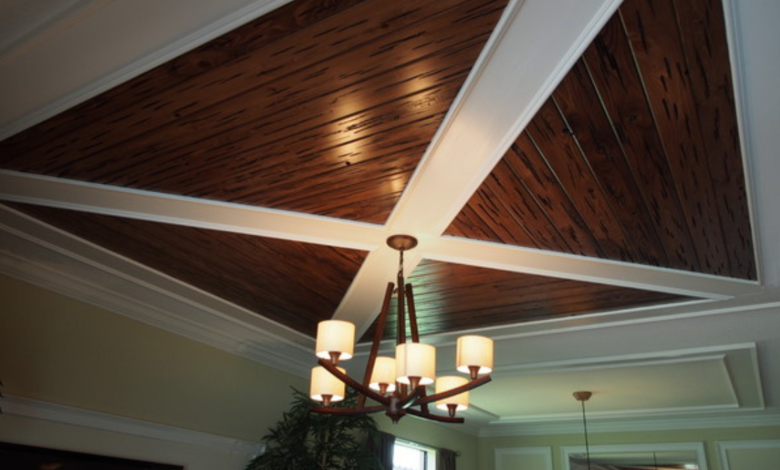
A tongue and groove ceiling offers both aesthetic appeal and functional benefits, making it a popular choice among homeowners. This design features planks of wood that fit together snugly, creating a seamless and elegant look. Whether you’re considering a ceiling renovation or a new build, understanding the value of a tongue and groove ceiling can help you make informed decisions.

Benefits of Tongue and Groove Ceiling
The advantages of a tongue and groove ceiling extend beyond mere appearance. One of the key benefits is the ease of installation. Many homeowners opt for DIY ceiling installation, finding that the interlocking design simplifies the process. Additionally, the natural wood finishes available, such as knotty pine, bring warmth and character to any room.
Another significant advantage is the insulation properties. Tongue and groove ceilings can enhance ceiling insulation, helping to maintain a comfortable indoor temperature year-round. This energy efficiency translates into cost savings on heating and cooling bills, making it a smart choice for eco-conscious consumers.
Popular Wood Options for Tongue and Groove Ceilings
When selecting materials for a tongue and groove ceiling, various wood options are available. Knotty pine is a popular choice due to its rustic charm and affordability. It showcases stunning wood grain patterns that add visual interest. Other options include oak and cedar, each providing unique aesthetics and durability. These wood types can be left natural or stained to match your home’s decor, making them versatile for different design themes.
Installation Techniques for Tongue and Groove Ceilings
Installation techniques for a tongue and groove ceiling can vary based on the material and desired look. Typically, the planks are installed with the tongue facing the wall and are secured using blind nailing. This method preserves the visual appeal of the ceiling by hiding fasteners. For those opting for DIY ceiling installation, numerous tutorials are available to guide you through the process step-by-step.
Cost Considerations for Tongue and Groove Ceilings
The cost of a tongue and groove ceiling can vary significantly depending on the wood type and the project’s scope. High-quality knotty pine tongue and groove planks are available, often at prices starting around $209.95 USD for a set. While the upfront costs might be higher than traditional ceiling materials, the long-term benefits, including durability and energy efficiency, can justify the investment.
Ceiling Renovation Ideas Using Tongue and Groove
Tongue and groove ceilings can transform a space dramatically, offering a range of decorative ceiling styles. For instance, using contrasting wood stains can create a striking visual effect, while incorporating different plank widths can add depth. Additionally, combining tongue and groove designs with other materials, such as drywall or metal accents, can create a unique focal point in your home.
Outdoor Applications for Tongue and Groove Ceilings
Tongue and groove ceilings aren’t limited to indoor use; they also work well in outdoor applications. Porches and patios can benefit from the natural beauty of wood ceilings, enhancing the overall aesthetic of outdoor spaces. When using tongue and groove ceilings in these areas, consider using materials treated for moisture resistance to ensure longevity.
Frequently Asked Questions
Is a tongue and groove ceiling expensive?
The costs associated with a tongue and groove ceiling can vary widely based on materials and installation methods. While high-quality options exist, the investment often pays off in terms of durability and aesthetics.
Is a tongue and groove ceiling worth it?
Many homeowners find tongue and groove ceilings worth the investment due to their aesthetic appeal, ease of installation, and energy efficiency benefits.
Which is better for a ceiling, shiplap or tongue and groove?
Shiplap and tongue and groove ceilings each offer unique benefits. Tongue and groove provides a tighter fit and better insulation, while shiplap has a more rustic, laid-back appearance. The choice depends on personal aesthetic preferences and functional needs.
What thickness tongue and groove for ceiling?
The thickness of tongue and groove planks can vary, but common options include 3/8″ to 1″ thickness. The choice depends on the desired look and structural requirements of the ceiling.
What are some decorative ceiling styles using tongue and groove?
Decorative ceiling styles using tongue and groove can include contrasting wood stains, varying plank widths, and combining with other materials. These techniques can create unique and engaging visual effects.
Can tongue and groove ceilings be used outdoors?
Yes, tongue and groove ceilings can be used in outdoor applications like porches and patios. It is advisable to choose materials treated for moisture resistance to ensure longevity.
Choosing a tongue and groove ceiling can elevate the design of any space while providing functional benefits. With various wood options and installation methods available, it’s a versatile choice for both indoor and outdoor settings.
You May Also Read: is worcestershire sauce gluten free